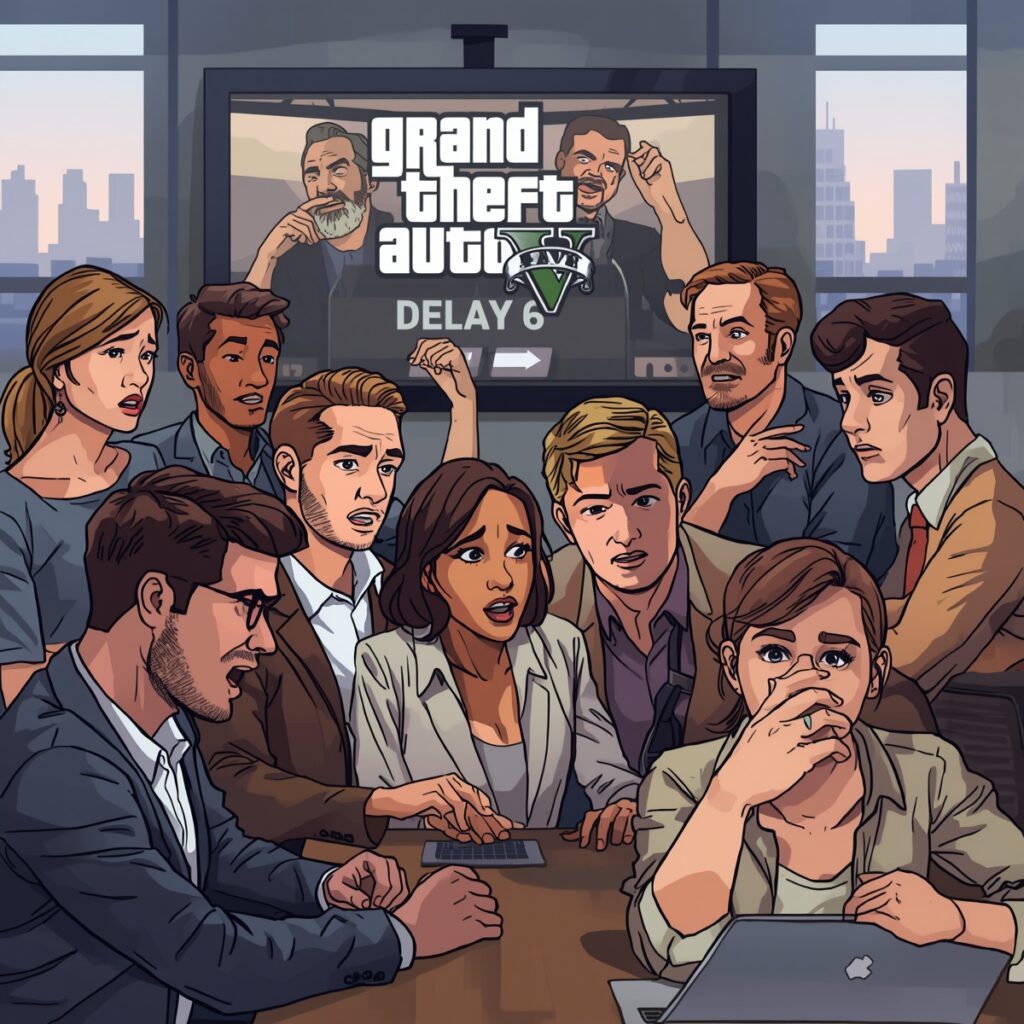
The highly anticipated release of Grand Theft Auto 6, often referred to as GTA 6, has regrettably been delayed, much to the dismay of its extensive fanbase that has been eagerly looking forward to it. The buzz surrounding this title, celebrated for its imaginative design and engaging narratives in the gaming realm, has sparked a flurry of reactions and heightened speculation due to this setback. As one of the most iconic and successful video game franchises ever produced, any news related to GTA 6 triggers substantial conversations within the gaming community, influencing both gamers and developers alike.
In this blog entry, we will take an in-depth look at how various participants in the gaming sector are reacting to the announcement of GTA 6’s delay. We will explore a wide range of feelings and viewpoints from fans, developers, and market analysts to gain insight into how such a significant alteration in timing can affect both immediate enthusiasm and reshape the larger gaming landscape. Furthermore, we will evaluate possible consequences this postponement might have on competing titles as well as overall development tactics within the industry.
As we dissect these intricate responses, we’ll include perspectives from seasoned professionals who can provide expert insights regarding what effects this delay may entail for market trends, competitive dynamics, and future directions in video game creation. By gathering opinions from these experts, our objective is to shed light on factors leading up to this decision while considering its ramifications for dedicated players eager to continue their experiences with this beloved franchise. Stay tuned for our analysis aimed at delivering thoughtful reflections on the current scenario within the gaming world amidst GTA 6’s postponement.
In light of the recent announcement about the postponement of the highly awaited Grand Theft Auto VI (GTA 6), experts in the industry, gaming analysts, and fans are all paying close attention to the potential consequences this decision may have on the wider gaming sphere. The immense excitement surrounding GTA 6, a game that has cultivated significant buzz and expectation over time, renders its delay particularly noteworthy. Many enthusiasts had eagerly counted down to its release, leaving a distinct gap in the schedule of forthcoming titles.
With this delay now confirmed, developers from various game studios are swiftly devising plans to effectively occupy this space and engage gamers who might be inclined towards GTA’s latest edition. These creators face pressure not only to maintain their audience’s interest but also to provide appealing alternatives that can measure up to the high standards established by current offerings. This scenario is inspiring innovation and challenging traditional development strategies as studios explore new genres, pursue creative partnerships, or revisit beloved franchises that could serve as strong substitutes for players during this interim period.
Furthermore, the setback has sparked conversations about the numerous challenges confronted by game developers in crafting blockbuster games amidst rapidly shifting player demands and substantial technological progress. As players increasingly seek superior graphics, captivating storylines, and vast environments, developers find themselves under increasing strain. Finding a balance between innovation and timely release has turned into a delicate challenge for studios tasked with navigating technical constraints while satisfying lofty expectations from an astute audience.
As industry stakeholders collectively consider what this delay signifies for both upcoming releases and future developments within game design itself, it’s vital to observe how these shifts will impact consumer expectations going forward. The implications could lead to changes in marketing approaches, adjustments in how player engagement is handled, or even transform competitive relationships among game studios. Keep an eye out for further analysis regarding how this pivotal moment might ripple through the industry—pushing limits while redefining what players can anticipate from their gaming encounters soon ahead.
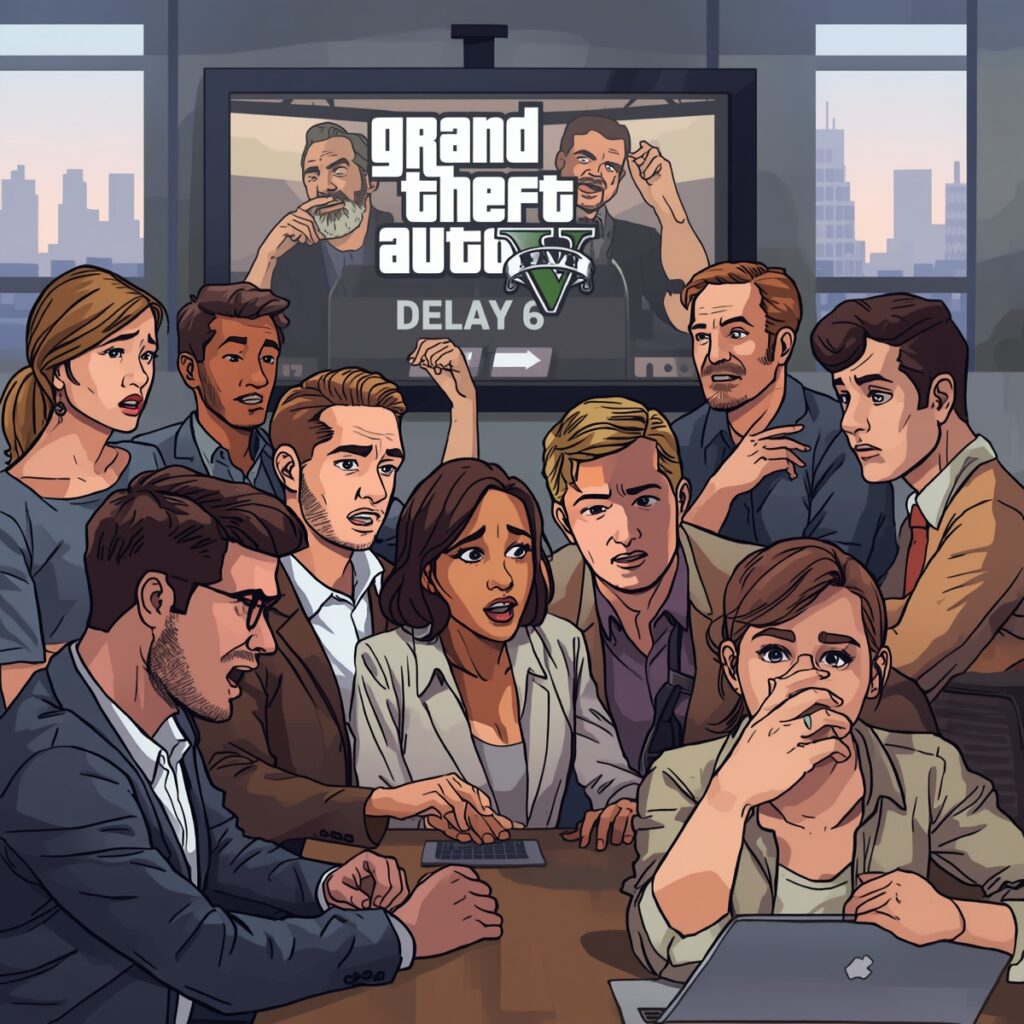
Responses from prominent gaming companies and influencers are emerging with enthusiasm concerning the widely talked-about postponement of the much-anticipated game, GTA 6. Major industry players like Sony, Microsoft, and Nintendo have publicly communicated their recognition of the numerous challenges facing game developers today. Acknowledging that game development is a multifaceted endeavor filled with obstacles, these corporations have offered their steadfast support during this tough period. Their encouragement not only provides reassurance to developers but also showcases the cooperative spirit inherent in the gaming community.
In addition, well-known influencers within the gaming sphere have taken to different social media channels to express their opinions on this matter. Through numerous posts, videos, and live streams, they have ignited vibrant discussions among their audiences. Many of these influencers command significant followings and share insights on how this delay might impact expectations for GTA 6 as well as affect the wider gaming environment.
As the industry adjusts to this unexpected delay, the unity shown by these major entities and influencers plays a critical role. They are engaging in meaningful conversations rather than merely responding to headlines; such dialogue fosters a greater comprehension of both development processes and their associated challenges. This collaborative discourse may lead to innovative ideas and strategies that could potentially alter future paths in game development significantly. Their involvement underscores a model for how stakeholders can unite during challenging times while ultimately enhancing overall consumer satisfaction.
Additionally, the fallout from this delay reaches beyond just immediate reactions from gamers; it may stimulate new alliances or projects aimed at improving working conditions across the sector or boosting quality standards for games themselves. As we move forward, staying updated on how these influential figures navigate through changes will be vital in understanding how they shape an evolving gaming landscape following this setback. By monitoring developments closely, we gain valuable perspectives into what lies ahead for gaming innovations forged through collaboration amongst companies and individual creators alike amidst current challenges.
As the gaming sector stands on the brink of anticipation and uncertainty with the upcoming release of Grand Theft Auto 6, it is increasingly essential to pause and assess the feelings and viewpoints of the gaming community. This group comprises a wide range of players with different expectations and emotional stakes, who respond in varied ways to news about delays and updates. Their feedback represents more than just random opinions; it plays a crucial role that developers must take into account when making vital decisions regarding game development and future directions for the franchise.
In today’s digital landscape, social media sites, gaming forums, and numerous online communities are bustling with lively exchanges, passionate opinions, and spirited hopes surrounding GTA 6’s delay. Platforms like Twitter, Reddit, along with specialized gaming websites are inundated with posts from fans sharing their excitement, exasperation, and optimism. The discussions across these platforms showcase a breadth of player experiences and aspirations—from longtime fans reminiscing about earlier installments in the series to newcomers whose expectations are heightened by marketing buzz—every voice weaves together a larger narrative that defines what GTA 6 should represent.
To genuinely grasp this evolving tale of player feedback, it’s important to analyze specific insights derived from these conversations. For example, many gamers seek groundbreaking gameplay mechanics that could transform their overall experience while also desiring familiar elements they cherish. Others might raise issues concerning storytelling quality grounded in the rich narratives from previous games in the series. By participating in these dialogues, developers can extract meaningful perspectives encompassing community desires related to graphics aesthetics, narrative complexities, character arcs as well as ethical dilemmas within gameplay.
As we delve into this complex web of community reactions we will likely identify dominant trends along with expected features or potential concerns that may profoundly influence game development processes. These insights transcend mere anecdotes; they encapsulate players’ hopes as they anticipate launch day approaches—whether yearning for recaps of iconic locations or craving deeper interactions within an expansive open world learning how players feel is imperative for developers aiming to meet or surpass audience expectations.
Furthermore it’s critical to understand that player sentiment isn’t fixed; it evolves particularly as new information emerges regarding the game’s progress. As gamers react to teaser trailers gameplay showcases or developer Q&As every fresh detail has potentiality to affect sentiments among audiences significantly thereby highlighting why maintaining connections within communities remains vital amid such transformations.
In summary keeping abreast on changing player emotions surrounding GTA 6 matters greatly not only for creators but also for enthusiasts themselves This continuous exchange enriches creative processes forging bonds between players & developers promoting cooperative atmospheres ripe for innovation & critique With fans engaging deeply through evolving tales surrounding GTA VI expect them louder than before shaping this cherished video game franchise’s trajectory going forward.
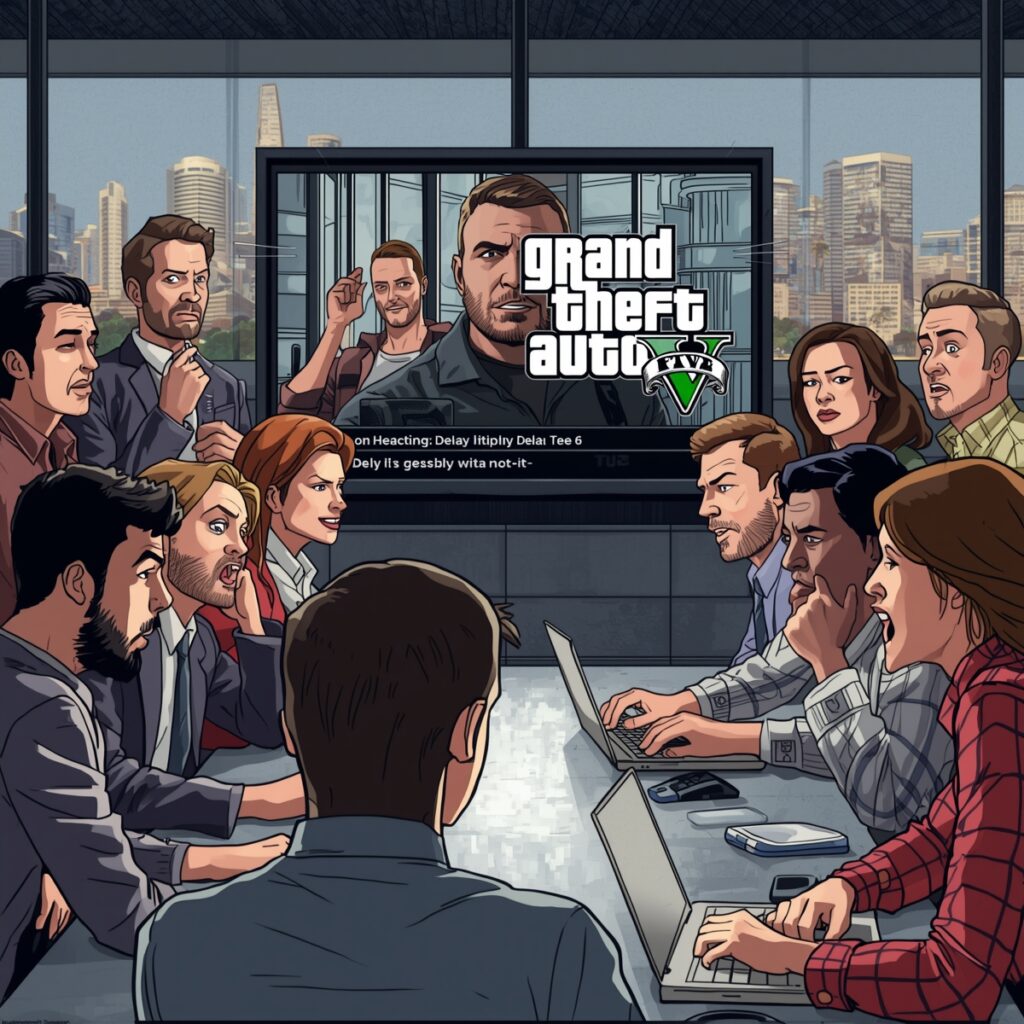
The postponement of the highly anticipated game, Grand Theft Auto VI, not only affects eager fans but also establishes a vital benchmark for upcoming releases in the gaming sector. This situation is significant, as developers and publishers are closely monitoring how players and the broader gaming community respond to this delay. They are meticulously assessing its repercussions on player sentiment, market dynamics, and their own strategies for future title launches. The community’s reaction could greatly influence planning and scheduling of game releases industry-wide, possibly prompting changes in established standards.
This setback may prompt companies to reassess their development schedules, highlighting the importance of prioritizing quality over rushing out products that might disappoint players. By adopting this approach, developers can concentrate on refining their games to improve gameplay experiences and ensure they provide polished content that meets player demands. It raises an important consideration: could a delay—though frustrating for fans—ultimately foster a more rewarding and satisfying gaming experience down the line?
Furthermore, during this period when the industry deals with such delays, we might see a significant move towards enhanced transparency and better communication with players. Companies may feel incentivized to regularly update audiences about the development proceedings which could help manage expectations more efficiently. Increased openness has the potential to strengthen relationships between developers and gamers by offering insight into how player feedback influences development phases. Such engagements can cultivate trust and appreciation within the community by making participants feel acknowledged in these processes.
As the games industry maneuvers through this brief setback, it serves as an insightful reminder of balancing innovation with audience feedback while adapting to evolving market demands. Delivering successful titles is crucial now more than ever in an era where consumers have numerous options available at hand. Observing how this delay influences future game launches alongside larger industry trends reveals that such occurrences are not isolated phenomena; rather they represent pivotal moments poised to transform creation methods, marketing tactics, and public perception regarding video games in forthcoming years. This scenario presents avenues for evolution and responsiveness within stakeholders’ approaches towards game design aligning with audience expectations ultimately nurturing a stronger gaming environment overall.
Given the significant and often extensive effects that delays can impose on the complex game development process, as well as player expectations and perceptions, it is essential for developers to implement a series of best practices when addressing any possible delays. This requires a careful and strategic method of sharing information with the gaming community. Openness becomes crucial in this context—by offering comprehensive insights into the reasons behind delays and establishing realistic, attainable timelines, developers can effectively support players’ trust and understanding, which are vital for sustaining a vibrant gaming community.
Additionally, it’s essential to acknowledge how delays may lead to disappointment among players who have been eagerly looking forward to a particular release date. Hence, through transparent communication, developers can help ease some of that frustration. Furthermore, maintaining open channels with the community through regular updates—whether via social media platforms, blogs or forums—can significantly reduce player dissatisfaction. Frequent progress reports not only keep players informed about where development stands but also generate excitement and anticipation for the final product. This ongoing interaction fosters a sense of belonging within the community, allowing players to feel included in an unfolding journey rather than simply waiting for an end product.
Moreover, prioritizing high-quality gameplay and satisfying player experiences over meeting arbitrary deadlines imposed by outside pressures such as market competition or financial objectives is imperative for developers. Although there might be temptation to hasten a game’s release in order to seize upon current trends or fulfill commitments made to stakeholders, investing time appropriately ensures every aspect is refined before launch will result in better reception overall. This involves not merely honing gameplay mechanics and visual quality but also ensuring narrative elements resonate with audiences while addressing any bugs or concerns prior to release.
By adopting these effective communication strategies alongside an unwavering dedication to quality enhancement during periods of delay, developers can successfully navigate challenges that arise from setbacks; transforming them into opportunities for growth instead. Such practices lay down robust groundwork for long-term success of their titles resulting in products that resonate positively with gamers—as well increasing prospects for favorable word-of-mouth promotions alongside sustained franchise engagement moving ahead. In conclusion, prudent discussion surrounding delays paired with relentless commitment towards excellence may shift potential negatives into beneficial outcomes advantageous both creators and gamers alike.
Navigating the future of the games industry amidst delays requires a strategic approach that prioritizes transparency, quality, and player satisfaction. As seen in the case of GTA 6, effective communication and realistic expectations can go a long way in managing delays. By maintaining open dialogue with the community, developers can build trust and understanding, ultimately fostering anticipation for the game’s release. Moving forward, it is essential for developers to focus on refining and polishing their games to ensure a positive reception upon launch. Embracing these best practices will not only help navigate delays effectively but also set a strong foundation for the industry’s continued success.