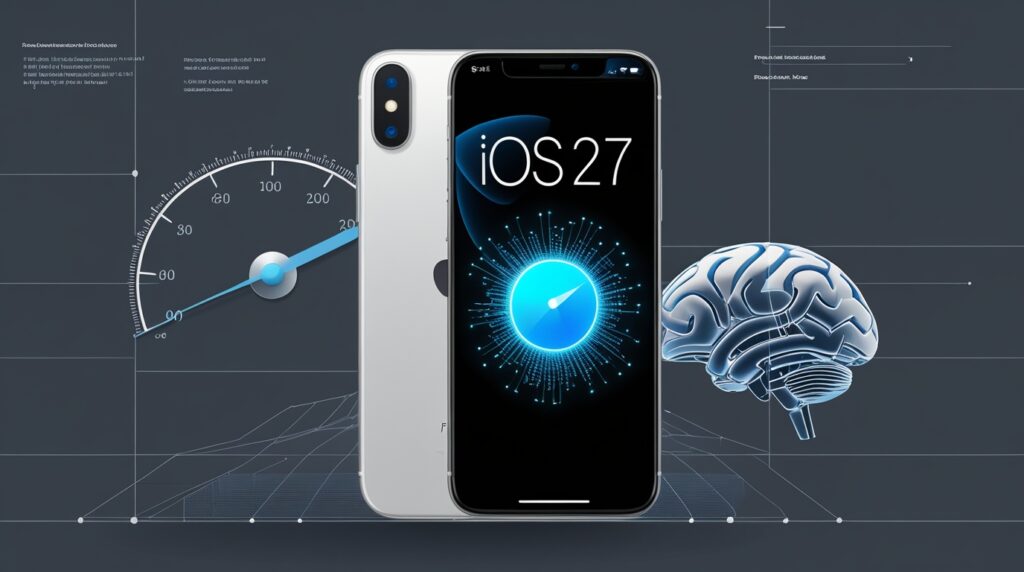
The forthcoming launch of iOS 27 is sparking significant excitement within the technology sector, with reports suggesting a strong focus on performance improvements and upgrades in artificial intelligence (AI). As Apple continues to enhance its operating system, these advancements are anticipated to provide a more fluid and smart user experience across all devices. This blog delves into the key features expected in iOS 27, shedding light on how they may influence the future landscape of mobile technology and user engagement.
One of the standout features rumored for iOS 27 is the integration of sophisticated AI functionalities. It is likely that Apple will roll out enhanced Siri capabilities, allowing the virtual assistant to grasp context better and offer personalized recommendations based on individual usage patterns. This could lead to a more natural interaction style, enabling users to complete tasks using voice commands intuitively.
From a performance perspective, iOS 27 aims to improve multitasking efficiency and app responsiveness. With enhanced resource management capabilities, users should anticipate quicker app startups and smoother transitions between different functions. This upgrade becomes especially vital as mobile devices manage increasingly intricate applications and services which demand an agile operating system capable of meeting user expectations.
Additionally, there are exciting prospects regarding heightened security and privacy measures within this update. Apple has consistently placed considerable importance on safeguarding user data, and it’s expected that iOS 27 will expand upon this commitment. New encryption techniques alongside improved privacy controls could grant users greater visibility over their personal data while augmenting Apple’s dedication to privacy protection.
Furthermore, we might see innovative developments for augmented reality (AR) apps—which would broaden opportunities for developers aiming to craft immersive experiences. As Apple strives for leadership in AR technology adoption, iOS 27 may introduce enhanced tools and frameworks designed to push mobile experiences further than ever before.
Lastly, enhancements can be anticipated in Apple’s user interface design—making it even more tailored toward customization and ease-of-use. With particular attention given to accessibility improvements; new resources aimed at assisting users with disabilities are likely part of the updates aimed at promoting inclusivity in tech innovation.
As we eagerly await the debut of iOS 27, it’s evident these advancements—driven by AI innovations alongside amplified security measures—are set to greatly influence future mobile tech landscapes. Apple’s unwavering commitment towards innovation promises global users will benefit from an enriched seamlessness marked by intelligence and robust security on their devices. The anticipation within tech circles is palpable as everyone looks forward to how these promising features will reshape interactions with our mobile technologies.
iOS 27 promises a host of significant upgrades aimed at elevating both speed and intelligence. Performance-wise, users can expect faster app launches, reduced background activity, and optimized battery consumption, contributing to a smoother overall experience. On the AI front, enhanced machine learning algorithms will enable smarter Siri interactions, improved predictive text, and more personalized content recommendations. Additionally, upgraded system frameworks may facilitate better privacy controls while leveraging AI capabilities responsibly. Collectively, these advancements underscore Apple’s commitment to blending cutting-edge technology with practicality, ensuring iOS 27 not only meets but exceeds modern user expectations.
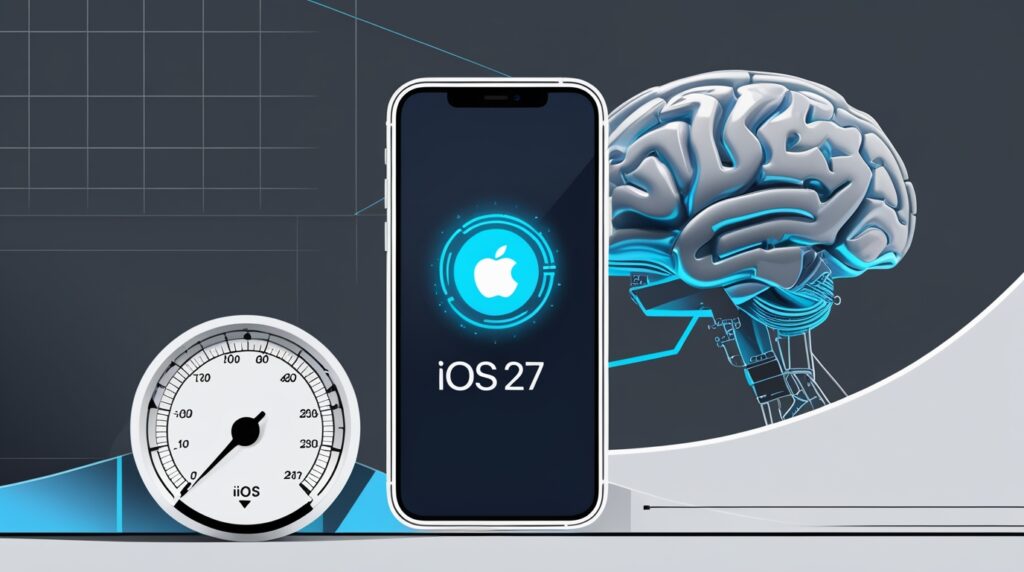
3. The Role of Performance Improvements in Enhancing User Experience
Performance enhancements in iOS 27 are pivotal to delivering a seamless and responsive user experience. By accelerating app launch times and minimizing background app activity, the system conserves resources, resulting in smoother multitasking and prolonged battery life. These optimizations reduce latency and prevent system slowdowns, particularly on older devices, thereby extending their usability. Furthermore, improved memory management ensures apps run efficiently without compromising stability. Collectively, these refinements create a fluid interaction environment, allowing users to navigate their devices with minimal disruptions. Ultimately, these performance improvements reinforce iOS 27’s goal of providing a fast, reliable, and enjoyable platform for all users.
4. AI Upgrades: Transforming App Functionality and User Interaction
In iOS 27, AI enhancements are set to redefine how users interact with their devices. Advanced machine learning algorithms will enable smarter predictive text, more intuitive voice recognition, and personalized recommendations, creating a highly adaptive user experience. AI-driven functionalities will also empower apps to offer context-aware assistance, streamline workflows, and enhance accessibility features. By integrating AI at the system level, iOS 27 promises to deliver more intelligent automation and real-time insights, significantly boosting productivity and engagement. These upgrades mark a substantial step toward making iOS devices not only faster but also more responsive to individual user needs, elevating the overall functionality of the ecosystem.
5. Anticipated Challenges During iOS 27 Implementation
While iOS 27’s focus on performance and AI enhancements is promising, the rollout may face several challenges. Integrating advanced AI features system-wide requires substantial optimization to avoid increased battery consumption and ensure smooth multitasking. Developers will need to adapt their apps to leverage new AI capabilities without compromising performance. Additionally, thorough testing will be critical to prevent security vulnerabilities that might arise from deeper AI integration. Compatibility with older devices also poses a potential hurdle, as not all hardware may support the sophisticated algorithms. Addressing these challenges effectively will be essential to delivering a seamless and reliable user experience with iOS 27.
6. Best Practices for Businesses to Leverage iOS 27’s New Features
To fully capitalize on iOS 27’s performance and AI advancements, businesses should prioritize updating their applications to integrate new AI capabilities effectively. Conducting thorough compatibility testing across all supported devices ensures optimal user experience. Leveraging improved system-level performance allows for more complex functionalities without sacrificing speed or responsiveness. Additionally, businesses must invest in training development teams on the latest AI frameworks introduced in iOS 27. Emphasizing data privacy and security during AI integration is crucial to maintain user trust. By adopting these best practices, organizations can enhance their app offerings, drive user engagement, and maintain a competitive edge in the evolving iOS ecosystem.
iOS 27 represents a significant step forward, blending robust performance improvements with advanced AI capabilities. For businesses and developers, this update offers a prime opportunity to refine user experiences and harness smarter, more efficient technologies. By proactively adapting to these innovations, organizations not only elevate their digital offerings but also position themselves strategically for future advancements. Embracing iOS 27’s enhancements is essential for staying relevant in an increasingly competitive mobile landscape. Ultimately, this release underscores Apple’s commitment to delivering a seamless, intelligent, and secure platform that meets the evolving demands of users and businesses alike.