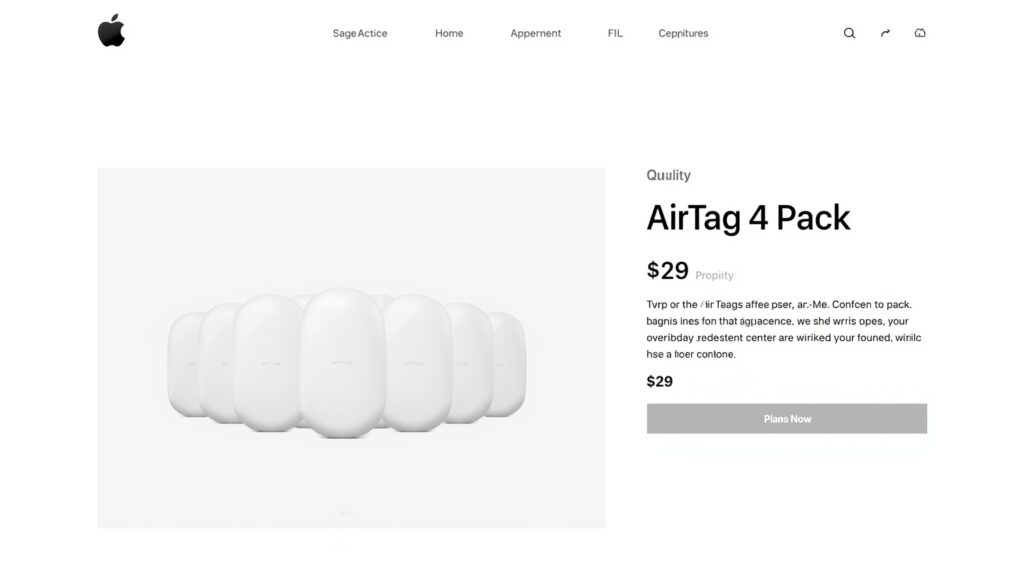
A fascinating scenario recently emerged on Apple’s official website when an astonishing deal surfaced: a four-pack of AirTags was made available for the surprisingly low price of only $29. This offer captured the interest of numerous consumers and technology aficionados, generating significant excitement and discussion within online circles.
Typically, a single AirTag is priced at around $29.99, making the listing for a four-pack at such an unusually reduced rate spark rampant speculation among many. Questions arose regarding whether this pricing was a calculated marketing tactic by Apple or simply an honest mistake. The enthusiasm for the deal was evident as people rushed to the site in hopes of acquiring these tracking devices well below their anticipated price.
However, Apple promptly addressed the situation by rectifying the listing and restoring it to its original pricing. This swift intervention not only reset customer expectations but also ignited discussions about broader topics including pricing strategies utilized by major tech firms, difficulties related to supply chain management, and how such occurrences might influence consumer trust in notable brands like Apple.
This incident invites reflection on how discrepancies in pricing can mold public perception and impact brand loyalty. In today’s competitive landscape, customers often depend on stable prices to guide their buying choices; any inconsistency can provoke feelings of doubt or mistrust. As developments continue to unfold, it will be intriguing to observe how Apple responds to public sentiment and if this event will affect their future pricing approaches.
It’s crucial to stay attuned to this unfolding narrative since it underscores not just the obstacles that companies like Apple encounter in digital marketplaces but also highlights consumers’ desire for transparency and dependability from trusted entities. Keep an eye out for updates related to this situation as its repercussions extend beyond mere pricing errors into deeper aspects of consumer-brand dynamics within the tech industry.
Following Apple’s recent pricing mistake, where a 4-pack of AirTags was momentarily available for an astonishingly low $29 instead of its usual price, both consumers and industry analysts are scrutinizing the wider implications of this event. This unforeseen error has ignited various discussions about Apple’s pricing tactics, the efficacy of its quality assurance processes, and the essential role that technology plays in maintaining accurate and equitable pricing systems.
The swift correction made by Apple raises intriguing concerns regarding its potential impact on consumer faith and the overall reputation that the brand has developed over time. Consumers do not simply accept prices; they actively evaluate brands influenced by their experiences, particularly how those brands manage situations like this one. As Apple is traditionally seen as a high-end brand synonymous with quality and innovation, this incident might prompt some to reconsider their perspective on its pricing credibility. The consequences could be significant in an era when buyers increasingly value transparency and honesty from the brands they support.
Moreover, this occurrence highlights the critical nature of transparent pricing practices within today’s fiercely competitive marketplace. Shoppers are becoming more knowledgeable and selective, armed with tools to compare prices effectively while seeking out optimal deals. When a major player like Apple encounters such issues, it communicates that even established companies can falter in ways—albeit technical—that alter consumer views and loyalty.
As we monitor developments following this pricing misstep, it is imperative to remain aware of how Apple—and similar businesses—will navigate these hurdles going forward. Correcting errors swiftly is just one part of resolving such incidents; rebuilding trust necessitates demonstrating ongoing commitment to fair marketing ethics through subsequent actions. How Apple manages communication with customers, engages in public outreach efforts, and might reassess internal protocols for price accuracy will significantly influence perceptions surrounding this event while shaping long-term consumer attitudes. Therefore, as we explore further into the ramifications and insights gained from this pricing challenge, we encourage you to reflect on its extensive implications for both the tech sector and beyond.

In analyzing the recent pricing blunder related to the AirTag 4-pack, which was erroneously priced at a remarkably low $29, it’s crucial to explore the various elements that might have led to this unexpected error. The incident has generated much speculation and interest, with some theorists suggesting that this pricing issue could have resulted from glitches in Apple’s advanced online sales platform. Others have posited that human error may be responsible, perhaps indicating a mistake in data entry or inventory management that allowed such a pronounced mispricing.
Upon identifying the mistake, Apple promptly took action to correct it. This swift response is more than just a logistical adjustment; it highlights Apple’s commitment to upholding integrity and reliability in its pricing strategies. Being a major player in the technology sector, Apple understands that its reputation heavily depends on transparency and dependability, particularly among consumers who anticipate reasonable prices for their acquisitions.
Following the mishap, both purchasers and industry experts are closely watching how Apple handles the repercussions of this event. Their attention is focused particularly on how the company will communicate about it since clear and effective communication is essential during situations like these when consumer trust could be jeopardized. Providing clarity regarding what caused the pricing error and detailing corrective measures taken will likely significantly impact public opinion.
As we observe this developing scenario, we aim to uncover deeper insights into what led to this pricing mistake. Furthermore, we’ll look into potential strategies and safeguards Apple might implement moving forward to avert similar incidents. These preventative actions may involve upgrading their online systems to mitigate technical errors or establishing stricter protocols ensuring human mistakes do not compromise their pricing accuracy initially. Keep an eye out as we compile further information and analysis that elucidates this fascinating situation along with its wider implications for Apple’s pricing policies and customer relationships.
In the multifaceted realm of consumer trust and brand reputation, the occurrence of pricing errors can have a profound and sometimes detrimental effect on how customers perceive a company. This is particularly true for a high-profile brand such as Apple, which has built its identity on quality and reliability. When discrepancies in pricing arise within such a prestigious brand, it does not simply draw attention to the immediate error; it raises significant questions regarding the overall reliability and meticulousness of the company as a whole. Customers might start to wonder if these pricing blunders are merely isolated incidents or whether they signal underlying issues that might permeate various aspects of the organization’s operations.
For instance, a pricing error can lead consumers to question the effectiveness of the company’s quality control measures. If a brand like Apple, renowned for its meticulous attention to detail, showcases a public misstep regarding pricing, it can lead to skepticism among its loyal customer base. Shoppers may begin to grapple with doubts about whether or not the products they purchase are accurately marketed or whether this reflects a broader negligence that might affect the quality of the merchandise itself. Such uncertainties could ultimately influence purchasing decisions, making consumers think twice about their commitment to the brand.
In response to the challenges posed by the recent AirTag 4-pack pricing error, Apple promptly moved to rectify the situation. However, this swift action prompts an important question: How will this incident affect consumer trust in the long term? Will customers view the correction as a sign of accountability and diligence, or will they remain wary, hesitant to fully embrace the brand after witnessing such a lapse? The long-standing relationship between trust and brand loyalty means that any shake-up, even one seemingly minor like pricing inaccuracies, can have lingering repercussions on consumer perceptions.
As we explore the broader impacts of pricing mistakes on brand reputation, it becomes essential to consider the strategies that companies can utilize to rebuild trust with their customers following such incidents. Companies must engage in transparent communication, informing their customer base about the error, the steps taken to rectify it, and measures put in place to prevent future occurrences. Additionally, demonstrating accountability through customer compensation or incentives can also play a vital role in mending the relationship between a brand and its consumers.
Furthermore, fostering a culture of vigilance and precision within the organization, as well as continuously evaluating pricing strategies to ensure accuracy, can help reassure customers that their interests are being prioritized. Ultimately, the way a company responds to a pricing error can define its reputation for years to come. Join us as we delve deeper into these repercussions, examining real-world examples and uncovering insightful strategies that businesses can adopt to not only address mistakes but also enhance overall brand trust and reputation in the eyes of their valuable customers.
The recent pricing error incident involving Apple’s AirTag 4-pack is not merely a small hiccup in the company’s otherwise smooth operations; it serves as an important reminder for all e-commerce enterprises to emphasize accuracy and transparency regarding their pricing. This event illustrates that even leading companies are susceptible to errors, underscoring the necessity of vigilance in the rapidly evolving online market.
In today’s fierce e-commerce environment, where numerous brands compete for consumer interest, meticulous attention to detail becomes critical. It is essential for businesses to regularly review product listings to ensure prices are consistently updated and accurately reflect any adjustments in costs or promotions. Neglecting this responsibility can mislead customers and lead to frustration, ultimately resulting in a loss of trust. This decline in consumer confidence can have extensive repercussions that may gradually tarnish a brand’s hard-won reputation.
To lessen such risks, it is vital to implement strong quality control practices. These could involve regular audits of pricing and inventory alongside automated systems designed to notify teams about discrepancies or irregularities in prices. Additionally, having a clear protocol that allows for prompt action when pricing errors occur can be immensely beneficial. Such procedures should prioritize timely updates and transparent communication with customers regarding any mistakes or necessary changes. By taking preemptive steps to resolve these issues, e-commerce businesses can uphold trust and credibility with their clientele—crucial components of building customer loyalty.
Furthermore, Apple’s swift response to address the pricing issue exemplified its dedication to correcting errors while maintaining customer satisfaction. Companies can draw lessons from this approach by evaluating their own e-commerce platforms with an eye toward preventing similar mistakes moving forward. Establishing proactive strategies and fostering accountability within organizations will greatly enhance customer contentment and loyalty amid an intensely competitive digital marketplace.
As we advance this discussion, remain alert for more insights иnd tactics aimed at preserving pricing integrity within the online marketplace. Grasping and applying effective pricing strategies is imperative—not only for achieving operational success but also for cultivating enduring relationships with consumers who appreciate integrity和 reliability from the brands they endorse.
To effectively protect against the risk of pricing inaccuracies, businesses must implement stringent and thorough pricing verification procedures that guarantee precision throughout each stage of the pricing process. These procedures should be regarded as a continuous initiative rather than a singular task, reflecting an ongoing dedication to excellence in pricing strategy. A vital aspect of this approach involves regularly conducting audits on product listings across all platforms, which aids in detecting any errors resulting from human miscalculations or system failures. Furthermore, constant surveillance of prices across every sales channel is critical to ensure uniformity and prevent inconsistencies that could lead to customer dissatisfaction.
Investing in advanced automated pricing herramientas and sophisticated systems represents another wise measure organizations can adopt to swiftly pinpoint pricing discrepancies. Such tools utilize technology for automatic price analysis and comparison, ensuring real-time updates and alterations when needed. This forward-thinking strategy not only simplifies the pricing workflow but also significantly decreases the chances of mistakes that could adversely affect sales or damage the company’s reputation.
Beyond technological investments, it is essential to educate employees on protocols for precise pricing practices. This training should encompass comprehensive knowledge about various pricing strategies, assessments of product value, and adherence to established guidelines pertaining to costs. Additionally, empowering staff by granting them both authority and responsibility for reporting any observed inaccuracies fosters ownership among employees—encouraging them to proactively address issues before they magnify into more significant challenges leading potentially to financial setbacks.
By nurturing a corporate culture centered around accuracy and responsibility in managing prices, companies can protect their financial interests while enhancing their reputation and building customer trust. Maintaining open communication channels regarding price strategies along with inviting feedback from both employees and customers ensures alignment among stakeholders towards upholding high standards for reliability.
Consequently, remaining proactive about potential errors in pricing is imperative. Periodic evaluation of pricing strategies alongside performance reviews may uncover trends or areas signaling a need for enhancement—helping keep your business competitive while delivering an excellent shopping experience for consumers. In today’s highly competitive e-commerce arena where credibility matters most, prioritizing precision and agility concerning prices can greatly boost customer satisfaction leading directly toward improved sales figures as well as fostering loyalty among buyers.
In conclusion, the recent pricing error on Apple’s website highlights the critical importance of implementing robust pricing verification processes. As demonstrated by this incident, even industry giants like Apple are not immune to errors that can impact customer trust and brand reputation. To navigate the complexities of digital markets successfully, businesses must prioritize accuracy and diligence in their pricing strategies. By investing in the right tools, establishing clear protocols, and fostering a culture of accountability, companies can mitigate the risks of pricing errors and maintain a competitive edge. Remember, staying proactive and vigilant in monitoring pricing discrepancies is key to preserving consumer confidence and loyalty in today’s fast-paced e-commerce landscape.